A financial-literacy initiative by Sophia Nasibdar
A place to ask the money questions.
I’m Sophia Nasibdar, a student at National Cathedral School. Through The Means of Her Making, I teach introductory financial-literacy classes with community organizations serving women. I want the explanations to be clear, the questions to feel welcome, and the material to be useful beyond the class itself.
Why this matters to me
I like the part of finance where a complicated idea finally starts to make sense. That’s the feeling I want these classes to make room for. A term explained clearly. Time to ask another question. Something you can look at again later.
I read my way into personal finance late at night, with a notebook beside me, underlining everything. The more I read, the more I thought about who never gets handed that chapter, and how much of a person’s independence quietly depends on it. Money decisions don’t wait until someone feels ready for them.
This project brings that interest into a very practical setting: helping make financial information easier to understand. I’m still a student, and I’m still learning how to do that well.
A little more about meFrom Sophia
What I set out to do
I’m a junior at National Cathedral School with endless love for finance and French. One of them turned into this project.
I set out to teach introductory classes with organizations that already know their communities, and to explain money in ordinary language: what a credit score is, why interest matters, how to look at a month of bills without dread. I’m not a financial professional. I’m a student who prepares carefully, says so when a question needs a local expert, and keeps revising.
What I hope to achieve
I hope the women I teach leave with fewer unasked questions, a page or two they can return to, and the sense that a financial decision is theirs to make. Over time, I’d like the materials to be good enough that someone else can lead a class with them. And I’d like this record to show the work honestly as it grows.
Sophia Nasibdar
Read my storyWhat financial confidence really means
Financial confidence isn’t knowing every term. It’s being able to look at a bill, an account, or a loan offer and know which questions to ask, and feeling entitled to ask them. It’s a habit more than a lecture.
Simple doesn’t mean easy, especially in a new country or a new language. That’s why my classes leave time for the same idea to be explained twice. The ideas I keep coming back to are these.
-
Budgeting you can actually keep
A plan that fits real life and the small habit of writing things down without shame.
-
Understanding what comes in
What gets taken out, why, and what is yours. Credit, debt, and interest in plain words.
-
Saving and planning ahead
The quiet habit of setting something aside, and knowing which dates are coming.
Who I hope to reach
The classes so far have been with women through community organizations. These are the people I keep in mind when I prepare a lesson, including two groups I haven’t taught yet.
-
Women starting again
Refugee women and mothers learning a new country’s paperwork, currency, and banks while holding a household together. This is who my classes have been for so far.
-
Schoolgirls, in any classroom
Financial confidence is a habit, and habits start early. I’d like to build a gentler, age-appropriate version of the material for classrooms and after-school programs.
-
Older women, on their own again
Beginning isn’t reserved for the young. I’d like to teach the same lessons with respect for a lifetime of experience.
At a glance
- classes documented here.
- {{ totals.countLabel }}
- class attendances.
- {{ totals.attendanceShort }}
- of live teaching.
- {{ totals.hoursLabel }}
These figures cover the SAHARA and Zaila classes shown below. Zaila’s attendance is approximate; attendance totals count participation in each class.
What these numbers includeThe record
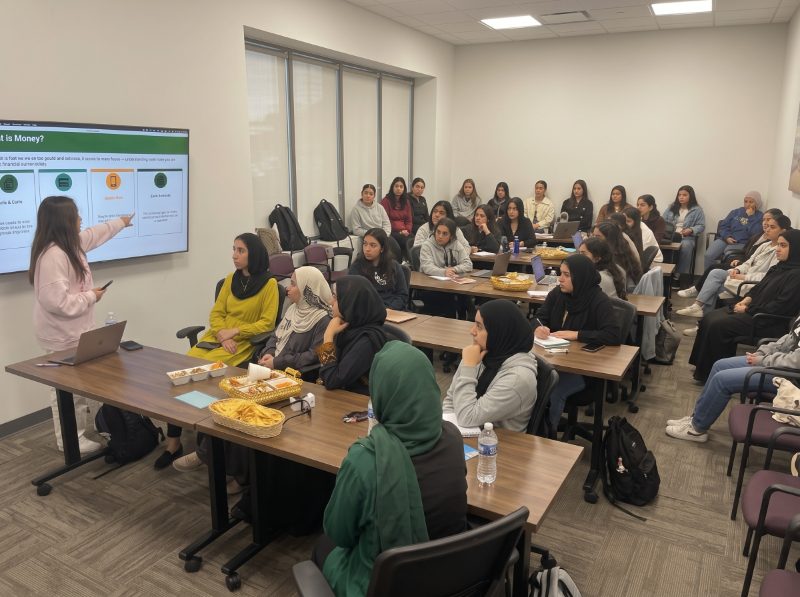
Photographs from the rooms.
The classes I’ve taught, in the order I taught them, and the other moments that belong with them. Not a portfolio, a record. The people in these rooms gave their time, and I’d rather show the work than describe it.
-
{{ img.caption }}

The next part of the work
More time with SAHARA
I want to build on the June class by returning to the work with SAHARA: developing the next lessons, finding out which explanations need more attention, and making materials that can be used again. This is where I want to put more of my time as the initiative grows.
Follow the SAHARA workSomething useful to take away
Start with one page
You don’t need a perfect spreadsheet to begin organizing your money. The resource pages include a simple money planner, a bill calendar, and questions to bring to a financial conversation. Use the parts that fit your situation.
Explore the resources